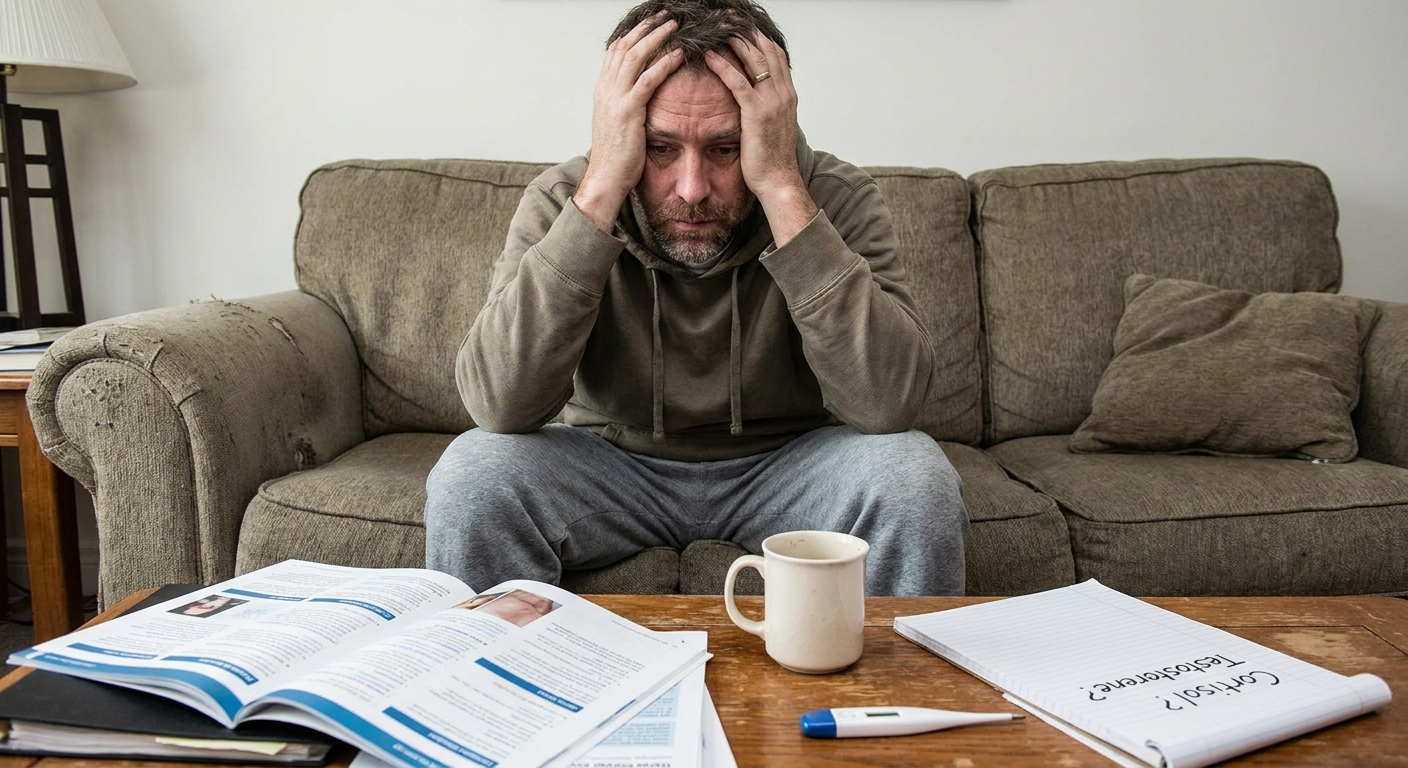
High Cortisol, Low Testosterone: The Hidden Hormone Imbalance Behind Fatigue, Belly Fat, and Low Libido in Men
Introduction
If you feel tired even after sleeping, notice stubborn belly fat, have less motivation than you used to, or your libido has changed, you are not alone. Many men search for answers and are told their labs are “normal,” yet they still do not feel like themselves. One possible piece of the puzzle is high cortisol, low testosterone — a hormone pattern that can sometimes be linked to chronic stress, poor sleep, blood sugar imbalance, inflammation, and metabolic changes.
Cortisol and testosterone both play important roles in men’s health. Cortisol helps your body respond to stress, regulate blood sugar, and manage inflammation. Testosterone supports libido, muscle mass, energy, mood, motivation, and healthy metabolism. When stress becomes ongoing, cortisol patterns may become disrupted, and testosterone production or activity may be affected.
At Heroic Health Solutions, located inside Coastal Medical and Wellness Center in Stuart, Florida, we take a functional medicine approach to men’s hormone imbalance by looking beyond symptoms and exploring root-cause contributors. In this article, you’ll learn how cortisol may affect testosterone, what symptoms to watch for, what may help, and when to seek medical guidance.
What Is High Cortisol, Low Testosterone, and Why Does It Happen?
Cortisol is often called the “stress hormone,” but that label is only part of the story. Cortisol is not bad. In fact, you need it to wake up in the morning, respond to physical or emotional stress, maintain blood pressure, regulate blood sugar, and keep inflammation in check.
Testosterone is a key male hormone involved in sexual health, muscle strength, body composition, mood, motivation, and overall vitality.
The issue is not simply having cortisol. The concern is when cortisol stays elevated too often, spikes at the wrong time, or becomes dysregulated due to long-term stress on the body. In some men, this may contribute to lower testosterone levels or symptoms that feel similar to low testosterone.
This can happen for many reasons, including:
Chronic work or family stress
Poor sleep or sleep apnea
Overtraining or under-recovery
High alcohol intake
Blood sugar swings
Insulin resistance
Nutrient deficiencies
Chronic inflammation
Gut health problems
Certain medications or medical conditions
It is important to understand that fatigue, belly fat, and low libido do not automatically mean you have low testosterone or high cortisol. Symptom overlap is common, and professional evaluation may be needed to understand what is actually happening.
Common Symptoms of High Cortisol and Low Testosterone in Men
Men often notice symptoms before they ever think about hormones. Common patterns that may be worth discussing with a qualified provider include:
Persistent fatigue or afternoon energy crashes
Low libido or changes in sexual performance
Increased belly fat or weight resistance
Loss of muscle tone despite exercise
Poor sleep or waking around 2–4 a.m.
Feeling “tired but wired” at night
Brain fog or trouble focusing
Irritability, low mood, or reduced motivation
Increased cravings for sugar, caffeine, or salty foods
Slower workout recovery
Feeling less resilient under stress
These symptoms can look different from person to person. For example, one man may feel exhausted and foggy, while another may feel anxious, wired, and unable to sleep. Both patterns may be worth exploring through a root-cause lens.
What Are the Most Common Root Causes or Contributing Factors?
Chronic Stress and Cortisol Imbalance
Stress is not only emotional. Your body also responds to physical, metabolic, and inflammatory stress. Long work hours, financial pressure, poor sleep, excessive training, pain, alcohol, and blood sugar swings can all add to the body’s stress load.
When the body perceives ongoing stress, cortisol may stay elevated or become poorly timed. This can sometimes interfere with normal hormone signaling, including the communication between the brain and the testes that helps regulate testosterone production.
Poor Sleep and Low Testosterone
Sleep is one of the most important foundations for men’s hormone health. Testosterone is largely produced during sleep, especially during deeper sleep cycles. If you are sleeping fewer hours, waking frequently, snoring, or dealing with possible sleep apnea, testosterone levels and cortisol rhythm may be affected.
Men who wake up tired, need caffeine to function, or feel wired at bedtime may benefit from a closer look at sleep quality, stress hormones, and metabolic health.
Blood Sugar Imbalance and Belly Fat
Blood sugar imbalance can place additional stress on the body. Frequent spikes and crashes may increase cortisol demand and contribute to cravings, fatigue, irritability, and weight resistance.
Insulin resistance, which is when the body has trouble responding properly to insulin, is also commonly linked with increased abdominal fat and lower testosterone patterns in men. This is one reason nutrition and metabolic health are often central to a functional medicine plan.
Inflammation and Gut Health
Chronic inflammation can affect energy, mood, metabolism, and hormone signaling. Gut health may also play a role because the digestive system helps regulate immune function, nutrient absorption, and inflammation.
Bloating, reflux, constipation, diarrhea, food sensitivities, or frequent digestive discomfort may not seem connected to testosterone at first, but in functional medicine, these patterns may provide clues about whole-body stress.
Nutrient Deficiencies
Healthy testosterone production and stress resilience require adequate nutrients. Low levels of vitamin D, magnesium, zinc, B vitamins, omega-3 fatty acids, and protein intake may contribute to fatigue, poor recovery, and hormone-related symptoms in some men.
Testing and individualized guidance can help determine whether nutrient status is a meaningful factor for you.
Alcohol, Overtraining, and Lifestyle Patterns
Regular alcohol intake, especially in the evening, can disrupt sleep quality and hormone regulation. Overtraining without enough recovery can also increase stress load, raise cortisol demand, and impair performance.
For some men, the issue is not laziness or lack of discipline. It is that the body is under-recovered, undernourished, or stuck in a stress pattern that needs a more personalized strategy.
Myth vs. Fact: Cortisol, Testosterone, and Men’s Hormone Health
Myth 1: Low testosterone is only a problem for older men.
Fact: Testosterone can decline with age, but younger and middle-aged men may also experience hormone-related symptoms due to stress, poor sleep, metabolic issues, medications, nutrient deficiencies, or other health factors.
Myth 2: Cortisol is always bad.
Fact: Cortisol is essential for survival. The goal is not to eliminate cortisol. The goal is to support a healthy cortisol rhythm and reduce chronic stress load where possible.
Myth 3: Testosterone therapy is the only solution.
Fact: Testosterone therapy may be appropriate for some men when medically indicated, but it is not the only consideration. Sleep, nutrition, exercise, inflammation, stress, blood sugar, and underlying medical issues should also be evaluated.
Myth 4: Belly fat is just about calories.
Fact: Calories matter, but abdominal weight gain can also be influenced by insulin resistance, poor sleep, cortisol patterns, inflammation, alcohol, low activity, and hormone changes.
Myth 5: If basic labs are normal, nothing is wrong.
Fact: Normal screening labs can be reassuring, but they do not always explain persistent symptoms. A deeper review of symptoms, lifestyle, hormone patterns, metabolic markers, and nutrient status may be worth exploring.
How Do I Know If High Cortisol and Low Testosterone May Be Affecting Me?
You cannot know for sure based on symptoms alone. However, certain patterns may suggest it is time to take a closer look.
Consider speaking with a qualified healthcare provider if you experience:
Ongoing fatigue despite rest
Low libido or sexual health changes
New or worsening belly fat
Poor workout recovery
Sleep disruption or frequent waking
Mood changes, irritability, or low motivation
Brain fog or reduced mental sharpness
Strong dependence on caffeine
Weight resistance despite reasonable effort
Symptoms that persist for weeks or months
A personalized evaluation may include a detailed health history, medication review, sleep assessment, nutrition review, stress inventory, and lab testing when appropriate.
For men in Stuart, Florida and surrounding Treasure Coast communities, Heroic Health Solutions offers a root-cause perspective for patients who want to better understand why they feel off — not just cover up symptoms.
What May Help, and What May Not?
What May Help Support Healthy Cortisol and Testosterone
While every person is different, the following strategies may support better hormone balance and metabolic health:
Prioritize sleep consistency.
Aim for a consistent sleep and wake time. Reduce late-night screens, alcohol, and heavy meals close to bedtime. If you snore, wake gasping, or feel unrefreshed, ask about sleep apnea evaluation.
Stabilize blood sugar.
Build meals around protein, fiber-rich vegetables, healthy fats, and slow-digesting carbohydrates. Skipping meals, relying on caffeine, or eating high-sugar foods may worsen energy crashes.
Strength train without overtraining.
Resistance training can support testosterone, insulin sensitivity, and body composition. However, excessive training without recovery may increase stress load.
Manage stress in realistic ways.
You do not need a perfect meditation routine. Breathwork, walking, time outdoors, prayer, stretching, journaling, and healthy boundaries can all support nervous system regulation.
Reduce alcohol when appropriate.
Alcohol can interfere with sleep quality, testosterone, liver function, and metabolic health. Even modest reduction may help some men feel better.
Correct nutrient gaps.
Vitamin D, zinc, magnesium, omega-3s, and adequate protein may be important for hormone health. Testing can help guide supplementation safely.
Consider lab evaluation.
Depending on symptoms, testing may include total and free testosterone, SHBG, DHEA-S, fasting glucose, insulin, A1c, thyroid markers, vitamin D, inflammatory markers, lipid profile, and other labs as clinically appropriate.
What May Not Help
Generic hormone boosters, extreme diets, stimulant-heavy supplements, or one-size-fits-all testosterone plans may not address the underlying issue. In some cases, they may create new problems or delay proper evaluation.
If the root contributors include sleep apnea, insulin resistance, inflammation, nutrient deficiency, high stress load, or medication effects, those factors need thoughtful attention.
How Does a Functional Medicine Approach Look at High Cortisol and Low Testosterone?
A functional medicine approach asks a different set of questions. Instead of only asking, “What medication matches this symptom?” we also ask, “Why might this pattern be happening in this person?”
At Heroic Health Solutions in Stuart, FL, this may include:
A detailed health history
Review of fatigue, libido, weight, sleep, mood, digestion, and exercise patterns
Nutrition and lifestyle assessment
Medication and supplement review
Evaluation of stress load and recovery capacity
Review of prior labs
Additional lab testing or advanced testing when appropriate
Personalized nutrition, movement, sleep, and stress recommendations
Ongoing support and re-evaluation over time
The goal is not to chase numbers. The goal is to better understand the whole person and create a plan that supports long-term wellness in a medically responsible way.
When Should Someone Seek Urgent Medical Care?
Most hormone-related symptoms are not emergencies, but certain symptoms should be evaluated immediately.
Seek urgent medical care or call 911 if you experience:
Chest pain or pressure
Shortness of breath
Fainting or sudden dizziness
Sudden weakness, confusion, or trouble speaking
Severe headache that is sudden or unusual
Thoughts of self-harm
Severe abdominal pain
Sudden swelling, severe testicular pain, or acute injury
Rapidly worsening symptoms
Also, if fatigue, weight changes, sexual health changes, mood symptoms, or sleep disruption are persistent, new, or worsening, schedule a medical evaluation. Symptoms can overlap with thyroid disease, diabetes, cardiovascular issues, depression, sleep apnea, medication effects, and other conditions.
Conclusion: You Do Not Have to Guess What Is Going On
High cortisol, low testosterone patterns may contribute to fatigue, belly fat, low libido, poor sleep, and changes in mood or motivation in some men. But symptoms alone do not tell the full story.
If you have been pushing through symptoms and wondering why you do not feel like yourself, it may be time to look deeper. A root-cause, functional medicine approach can help identify contributing factors such as stress load, sleep disruption, blood sugar imbalance, inflammation, nutrient status, and lifestyle patterns.
Heroic Health Solutions, located inside Coastal Medical and Wellness Center at 3257 SE Salerno Road, #3, Stuart, Florida 34997, supports men across Stuart and the Treasure Coast with personalized, evidence-informed wellness guidance.
To schedule an appointment or learn more, contact Coastal Medical and Wellness Center at (772) 286-5277.
FAQ Section
1. Can high cortisol lower testosterone in men?
High cortisol may contribute to lower testosterone in some men, especially when stress is chronic and combined with poor sleep, blood sugar issues, inflammation, or overtraining. However, symptoms should be evaluated properly because many conditions can mimic low testosterone.
2. What are signs of high cortisol in men?
Possible signs include belly fat, poor sleep, feeling wired at night, fatigue, anxiety or irritability, cravings, blood sugar swings, and reduced recovery. These symptoms can have many causes, so testing and clinical context matter.
3. What are common symptoms of low testosterone?
Low testosterone may be associated with low libido, erectile changes, fatigue, reduced muscle mass, increased body fat, low motivation, mood changes, and poor recovery. A blood test is typically needed to evaluate testosterone levels.
4. Can stress cause low libido in men?
Yes, stress may contribute to low libido. Chronic stress can affect cortisol, sleep, mood, blood flow, relationship patterns, and hormone signaling. Low libido can also be related to medications, depression, cardiovascular health, diabetes, and other medical concerns.
5. How can I naturally support testosterone and lower stress hormones?
General supportive steps include improving sleep, strength training appropriately, eating enough protein, balancing blood sugar, reducing alcohol, managing stress, correcting nutrient deficiencies, and addressing inflammation. Personalized evaluation is best for persistent symptoms.
6. Should I take testosterone if I feel tired and have belly fat?
Not necessarily. Fatigue and belly fat do not automatically mean testosterone therapy is appropriate. It is important to evaluate testosterone levels, sleep, thyroid health, insulin resistance, inflammation, medications, and other possible contributors.
7. What labs may be helpful for men’s hormone imbalance?
Depending on the situation, a provider may consider total testosterone, free testosterone, SHBG, DHEA-S, thyroid markers, vitamin D, fasting insulin, fasting glucose, A1c, lipids, inflammatory markers, and other tests based on symptoms and history.
8. Where can men in Stuart, Florida get help for hormone imbalance?
Heroic Health Solutions, located inside Coastal Medical and Wellness Center in Stuart, Florida, offers a functional medicine approach for men experiencing fatigue, weight resistance, low libido, poor sleep, and hormone-related concerns.
Medical Disclaimer
This article is for educational purposes only and is not medical advice. It is not intended to diagnose, treat, cure, or prevent any condition. Hormone-related symptoms can overlap with many medical issues, and persistent, severe, sudden, or worsening symptoms should be evaluated by a qualified healthcare professional. If you are experiencing emergency symptoms, call 911 or seek emergency care immediately.
