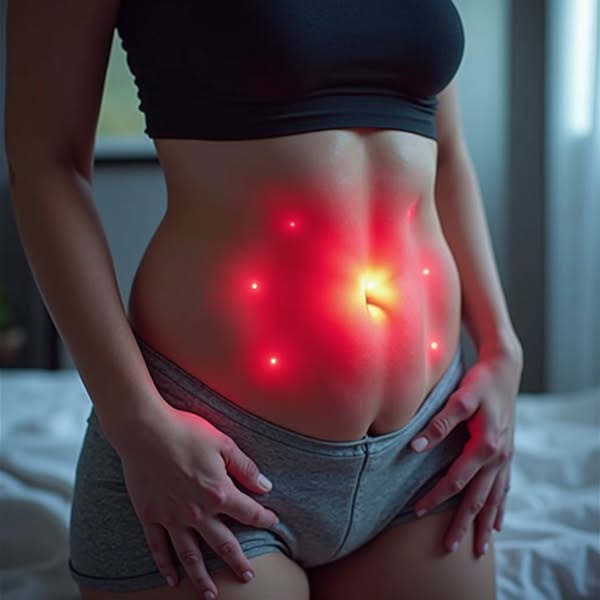
Can Red Light Therapy and Food Sensitivity Testing Really Help You Lose Weight? What Stuart, FL Patients Should Know
Can Red Light Therapy and Food Sensitivity Testing Really Help You Lose Weight? What Stuart, FL Patients Should Know
You've tried cutting calories. You've logged every meal. You've worked out faithfully—and the scale barely budges. Meanwhile, you're scrolling late at night, wondering if red light therapy or discovering your "hidden food sensitivities" might finally be the missing piece. But you're also skeptical. You've been disappointed before.
Here's the truth: no single tool "melts fat" or "cures" weight loss resistance. But when integrated into a personalized, medically supervised plan, both red light therapy and food sensitivity testing can play meaningful supportive roles for some patients. At Coastal Medical and Wellness Center in Stuart, Florida, we combine evidence-based interventions with a truly personalized approach—no cookie-cutter programs, no hype, just honest medicine tailored to your body and your goals.
What this post covers: The science behind red light therapy and food sensitivity testing for weight loss, common myths, what to expect during a consultation at our Stuart clinic, and when these tools may (or may not) be right for you.

Myth vs Fact: Red Light Therapy, Food Sensitivities, and Weight Loss
Myth #1: Red Light Therapy "Melts Fat" Without Any Effort
Fact: Red light therapy (also called photobiomodulation or low-level light therapy) does not melt fat on its own. Research suggests that certain wavelengths of red and near-infrared light may temporarily increase cellular energy production, improve mitochondrial function, and potentially support modest fat cell size reduction when combined with calorie deficit and exercise (NIH National Center for Biotechnology Information).
The mechanism? Red light may stimulate the creation of transient pores in fat cells, allowing lipids to leak out—but your body still needs to burn those released lipids through activity and metabolic demand. Think of red light therapy as a potential adjunct that may enhance your results when layered into a comprehensive plan, not a standalone solution.
Bottom line: Red light therapy is a tool, not magic. It works best alongside nutrition changes, physical activity, and—when clinically appropriate—medical therapies.
Myth #2: Food Sensitivity Tests Will Reveal the "One Food" That's Sabotaging Your Weight Loss
Fact: Food sensitivity testing (typically IgG antibody panels) can identify immune reactions to specific foods, but the relationship between food sensitivities and weight is complex and individualized. Some patients experience chronic low-grade inflammation, bloating, fatigue, or digestive issues tied to certain foods—and addressing those reactions may reduce water retention, improve energy for exercise, and help regulate appetite.
However, food sensitivity tests are not diagnostic for food allergies (IgE-mediated) and should not replace a thorough clinical evaluation. Results must be interpreted in context with your symptoms, medical history, and elimination-reintroduction trials (Mayo Clinic: Food Allergy vs. Food Intolerance).
Bottom line: Food sensitivity testing is one diagnostic tool among many. It can provide valuable insights for some patients, but it's not a one-size-fits-all answer and should be part of a broader assessment.
Myth #3: Medically Supervised Weight Loss Is Just About Willpower and Eating Less
Fact: Sustainable weight loss is rarely about willpower alone. Hormones (insulin, cortisol, leptin, ghrelin), genetics, sleep quality, stress, gut health, metabolic rate, and underlying medical conditions all play roles. That's why personalized, medically supervised programs assess you as a whole person—not just your calorie intake.
At Coastal Medical and Wellness Center, we don't hand you a generic meal plan and send you on your way. We perform a comprehensive evaluation, discuss your goals and challenges, review labs if indicated, and build a customized plan that may include nutrition counseling, lifestyle coaching, red light therapy, food sensitivity testing, and—when clinically appropriate—prescription therapies.
Bottom line: Effective weight loss is personalized medicine, not a one-size-fits-all diet.
Myth #4: Red Light Therapy and Food Sensitivity Testing Are "Alternative Medicine" Without Real Evidence
Fact: While research is still evolving, both interventions have peer-reviewed literature supporting potential benefits in specific contexts.
Red light therapy: Studies suggest photobiomodulation may improve mitochondrial function, reduce oxidative stress, and support modest body contouring when combined with diet and exercise (Lasers in Surgery and Medicine, 2011). The FDA has cleared certain devices for temporary body contouring.
Food sensitivity testing: While controversy exists around IgG testing, clinical experience and emerging research indicate that some patients with chronic inflammatory symptoms benefit from tailored elimination diets based on test results, particularly when combined with clinical judgment and symptom tracking.
Bottom line: Both tools have evidence supporting their use in select patients, but they should be integrated into a comprehensive, medically supervised plan—not marketed as miracle cures.
Myth #5: Once You Start Medical Weight Loss, You're Dependent on It Forever
Fact: The goal of medically supervised weight loss at Coastal is to help you achieve sustainable results through education, habit change, and—when appropriate—temporary medical support. Some patients use prescription therapies for a defined period while building long-term lifestyle habits. Others benefit from ongoing maintenance support.
We emphasize gradual progress, realistic goal-setting, and equipping you with tools (nutrition knowledge, stress management, exercise habits) that last beyond your time in active treatment. Our team provides regular follow-up, monitoring, and adjustments as your body and life circumstances change.
Bottom line: Medically supervised weight loss is not about dependence—it's about giving you the support, education, and tools to succeed long-term.
Myth #6: All Weight Loss Clinics Are the Same
Fact: Not all weight loss programs are created equal. Some focus solely on one intervention (like meal replacements or injections) without addressing root causes or providing ongoing support. Others lack medical oversight or use unqualified staff.
At Coastal Medical and Wellness Center in Stuart, FL, you'll work with experienced clinicians who treat weight loss as a medical issue—not a cosmetic quick fix. We pride ourselves on "Disney-Wow" customer service: attentive, respectful, thorough care that makes you feel heard and valued. Whether you live in Stuart, Palm City, Jensen Beach, Port Salerno, or nearby communities along the Treasure Coast, our team is here to provide evidence-based, personalized care.
Bottom line: Choose a clinic that offers medical expertise, individualized plans, and genuine partnership—not just a product.
How Do I Know If This Program Is Right for Me?
Consider medically supervised weight loss at Coastal if:
You've tried diet and exercise on your own without lasting success.
You have a BMI over 27 with weight-related health concerns (like prediabetes, high blood pressure, or joint pain) or a BMI over 30.
You experience unexplained fatigue, bloating, or digestive issues that may be food-related.
You're interested in exploring adjunct therapies like red light therapy as part of a comprehensive plan.
You want personalized medical guidance, regular monitoring, and a team that listens.
This program may not be right for you if:
You have unstable medical conditions requiring immediate specialist care.
You're currently undergoing cancer treatment (discuss with your oncologist first).
You're pregnant or breastfeeding.
You have a history of certain eating disorders without clearance from a mental health provider.
Always discuss your full medical history and current medications with your clinician during your consultation.
What Typically Helps (and What Doesn't)
What Typically Helps:
Calorie awareness and balanced nutrition: Not extreme restriction, but sustainable portion control and nutrient-dense foods.
Regular physical activity: Both aerobic exercise and resistance training support metabolism and muscle mass.
Stress management and adequate sleep: Chronic stress and poor sleep disrupt hunger hormones and metabolic health (Harvard Medical School: Sleep and Weight).
Addressing underlying medical issues: Hypothyroidism, insulin resistance, hormonal imbalances, and inflammation can all interfere with weight loss.
Personalized medical therapies: When clinically appropriate, prescription medications (like GLP-1 receptor agonists) can support appetite regulation and weight loss under medical supervision.
Adjunct therapies: Red light therapy and tailored nutrition plans based on food sensitivity testing may enhance results for select patients.
What Doesn't Help:
Extreme calorie restriction or fad diets that aren't sustainable.
Relying on supplements alone without addressing diet, activity, or medical factors.
Expecting rapid, dramatic results without lifestyle change.
Self-diagnosing and self-treating based on online trends.

Red light therapy at Coastal Medical and Wellness Center—a supportive adjunct to comprehensive weight loss care.
What to Expect at Coastal Medical and Wellness Center (Stuart, FL)
Your journey at Coastal begins with a thorough, personalized consultation. Here's what typically happens:

Comprehensive Assessment: Your clinician will review your medical history, current medications, weight loss history, lifestyle, stress levels, sleep, and goals. We may order lab work to assess thyroid function, metabolic markers, and other relevant factors.
Customized Plan Development: Based on your unique situation, we'll build a tailored plan that may include:
Nutrition counseling and meal planning guidance
Lifestyle coaching (exercise, sleep, stress management)
Food sensitivity testing (if clinically indicated and you're interested)
Red light therapy sessions (as an adjunct to support body contouring and cellular health)
Prescription therapies like tirzepatide injections (when medically appropriate—requires evaluation and ongoing monitoring)
Ongoing Monitoring and Support: Weight loss is not a one-and-done event. We provide regular follow-up visits to track progress, adjust your plan, troubleshoot challenges, and celebrate wins. Our team is accessible, responsive, and committed to your success.
Patient-Centered Care: We listen. We answer questions. We adjust plans when life happens. Our goal is to make you feel supported, informed, and empowered—never judged or rushed.
No two plans are identical. What works for your neighbor may not work for you, and that's exactly why personalized medicine matters.

FDA-cleared red light therapy technology—just one tool in our personalized weight loss toolkit.
When to Seek Urgent Care
While pursuing weight loss support, be aware of these red-flag symptoms that require immediate emergency care (call 911 or go to the ER):
Stroke symptoms: Sudden numbness or weakness (especially on one side), confusion, trouble speaking, vision changes, severe dizziness, or loss of coordination.
Sudden severe headache(worst headache of your life).
Loss of bladder or bowel control or saddle anesthesia (numbness in the groin/inner thighs).
Fever with back pain(possible spinal infection).
Severe shortness of breath or chest pain.
If you are currently undergoing cancer treatment and experience new, severe symptoms, contact your oncologist or emergency services immediately.
Weight loss programs are for otherwise stable patients. If you have urgent or unstable medical issues, address those first.
Frequently Asked Questions (FAQ)
How does red light therapy support weight loss?
Red light therapy may temporarily increase cellular energy production and support modest fat cell size reduction when combined with a calorie deficit and exercise. It's an adjunct tool, not a standalone solution. Results vary by individual.
What is food sensitivity testing, and how is it different from allergy testing?
Food sensitivity testing (typically IgG antibody panels) identifies delayed immune reactions to foods, which may contribute to inflammation, bloating, or fatigue. Food allergy testing (IgE) detects immediate, potentially life-threatening reactions. Sensitivity testing is not a replacement for allergy testing and should be interpreted by a clinician.
Can I do red light therapy and food sensitivity testing without other weight loss interventions?
Yes, but results are typically better when these tools are part of a comprehensive plan that includes nutrition, activity, stress management, and—when appropriate—medical therapies. Talk to your clinician about what makes sense for your goals.
How long does it take to see results with medically supervised weight loss?
Results vary. Some patients notice changes in energy, appetite, or measurements within the first few weeks, especially if using prescription therapies. Sustainable weight loss typically occurs at a rate of 1–2 pounds per week, though initial losses may be faster due to water weight. Your clinician will help set realistic expectations based on your plan.
Is red light therapy safe?
Red light therapy is generally considered safe when performed with FDA-cleared devices and appropriate protocols. It's non-invasive and painless. However, it's not suitable for everyone (e.g., certain skin conditions, photosensitivity). Discuss your medical history with your clinician.
Will I have to avoid foods forever if I have sensitivities?
Not necessarily. Many patients use food sensitivity testing to guide a temporary elimination diet, then reintroduce foods systematically to identify true triggers. Some sensitivities resolve with gut healing and inflammation reduction. Your clinician will guide you through this process.
Do I need a referral to schedule a consultation at Coastal Medical and Wellness Center?
No referral is needed. Simply call 772-286-5277 to schedule a consultation. We serve patients in Stuart, Palm City, Jensen Beach, Port Salerno, and surrounding areas within the Treasure Coast region.
What if I've tried medical weight loss before and it didn't work?
Past experiences don't predict future results, especially if your previous program wasn't truly personalized. At Coastal, we dig deeper to understand why past attempts didn't work and tailor a plan that addresses your unique barriers. We encourage you to come in for a consultation—no pressure, just honest conversation about what might help.

Key Takeaways
Red light therapy and food sensitivity testing aretools, not magic solutions. They work best as part of a comprehensive, medically supervised weight loss plan.
Sustainable weight loss requires personalized assessment, lifestyle change, and—when appropriate—medical support.
Coastal Medical and Wellness Center in Stuart, FL offers evidence-based, customized care with exceptional patient support.
No guarantees, no hype—just honest medicine and a team that listens.
Ready to explore what's possible? Call 772-286-5277 to schedule a consultation or visit at Coastal Medical and Wellness Center in Stuart, Florida. Let's build a plan that works for you.
Medical Disclaimer
This blog post is for informational and educational purposes only and does not constitute medical advice, diagnosis, or treatment. Always consult a qualified healthcare provider before starting any weight loss program, supplement, or treatment. Individual results vary. Coastal Medical and Wellness Center does not guarantee specific outcomes.
